
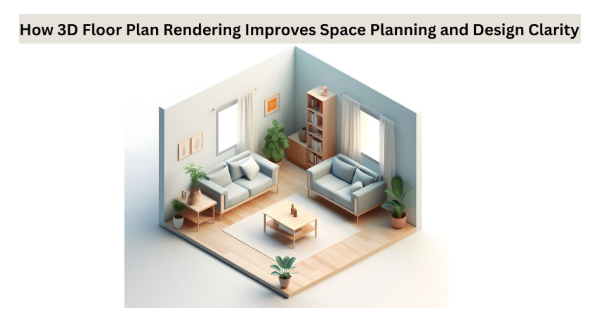
3D Floor Plan Rendering technology improves space planning processes because it enables designers to visualize their design ideas more effectively.
The process of space planning requires more than just positioning rooms; it demands knowledge about human movement patterns and residential activities inside designated spaces.
The 3D rendering process enables users to experience its transformative power. The system enables users to transform technical lines into spatial visuals, which enhance their understanding of the layout design.
The architectural visualization team depends on 3D rendering because it provides essential tools for accurate detail work and team alignment on project requirements.
Making Spatial Relationships Easy to Grasp
The design process begins with the creation of basic building blocks, which developers use to develop multiple design elements. The system shows users the spatial relationships between walls, doors, and hallways, which makes all elements of the system work together.
The system provides instant room connection visibility through two primary pathways, which people use to move from one room to another. The system enables users to save time because they do not need to explain technical drawings to people who lack blueprint experience.
Improving Accuracy in the Planning Phase
The design stage of a project establishes the aesthetic aspects that later determine the operational efficiency of a building. Designers use 3D views to assess proportioning because the system provides them with more exact measurement tools.
The 3D view displays room space, which helps users identify room overcrowding and furniture placement issues and hallway width problems. The ability to discover these problems during early project phases prevents construction and fit-out processes from experiencing unexpected, costly mistakes.
Helping Clients Truly See the End Result
The design team needs early project development participation because it helps them understand space control requirements in their design work.
Designers use 3D visuals to develop their designs because they allow designers to change wall positions and room sizes while testing different layout designs.
The design process allows multiple design elements to interact with each other, which results in a better design outcome.
Better Decisions, Earlier
The early stages of a design process provide designers with their best opportunity to test different ideas because material expenses for changes stay low.
Designers use 3D visuals to test different design elements by moving walls and changing room sizes, and selecting between open-plan and partitioned design options to see how their changes affect the space.
Designers achieve better design outcomes through flexible design options that enable them to create complete final designs.
Keeping the Whole Team in Sync
The execution of a major project needs multiple professional groups to work together, which includes architects, interior designers, engineers, and contractors as essential team members.
Errors begin to occur when different people hold different views about the current situation. The use of a 3D floor plan establishes a common understanding that all project stakeholders can easily understand. The 3D architectural visualization company partnership creates a visual reference point, which ensures that technical and creative work stays in sync throughout the entire project.
Furniture, Function, and Flow
A floor plan needs to define wall locations while also demonstrating how people will move through the area. The inclusion of furniture and fixtures in a 3D render allows you to better experience how people will use the space throughout their typical day.
The design assessment process evaluates whether a layout effectively serves its intended purpose while creating areas that deliver both visual appeal and practical usefulness.
Cutting Down on Revisions and Extra Costs
The most common reason for project delays happens when the actual results fail to meet the client’s anticipated standards. 3D renders establish project expectations from the beginning.
The team needs to understand how the layout will appear to minimize unexpected developments throughout the project. This results in reduced construction changes, which benefits everyone by decreasing their expenses and minimizing construction-related stress.
Versatile for Any Type of Project
All projects share identical advantages, which apply to small apartment projects and corporate office work and large mixed-use development ventures. Residential work provides homeowners with assurance about their home design decisions.
The commercial space planning process needs direct access to operational workflows while displaying space value to potential tenants. The solution functions effectively throughout every application.
Conclusion
Effective space planning depends on detailed communication between all parties involved. 3D rendering improves layout comprehension while making it simpler to correct errors and develop customer appreciation.
The process results in better decisions and increased teamwork efficiency while reducing future problems. The process creates practical tools that convert a vision into a functional designed reality when executed correctly.
