
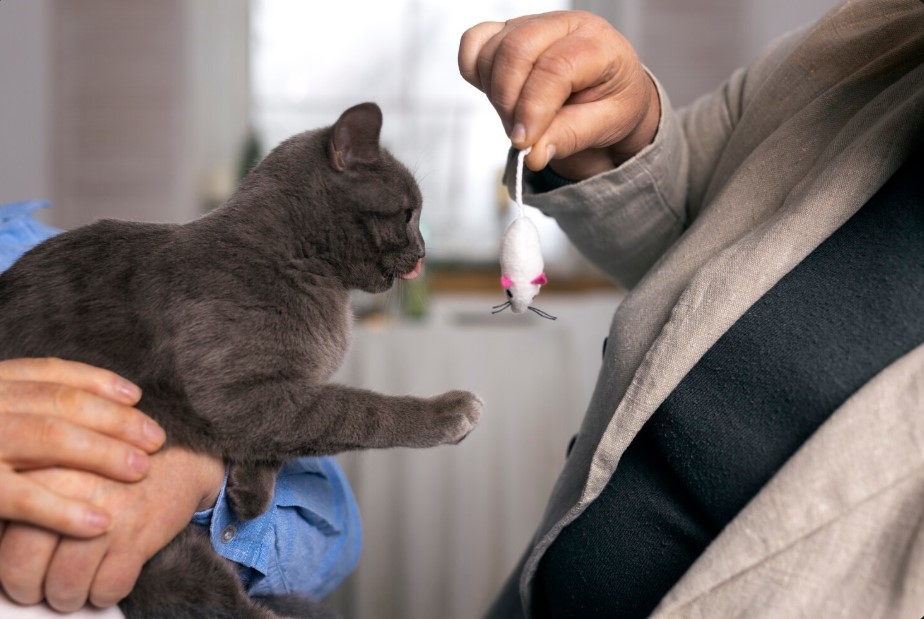
Understanding how many cat treats per day is safe is one of the most common concerns among pet parents in 2026. With growing awareness around feline nutrition, behavioral enrichment, and portion control, treats are no longer just “extras”—they’re part of a balanced feeding strategy.
But here’s the key question: how do you enjoy bonding with your cat using cat treats without overfeeding or affecting their health?
This guide breaks it down using veterinary insights, 2026 pet nutrition trends, and practical feeding rules every cat owner should know.
Why Cat Treats Matter in 2026 Pet Nutrition
Modern pet care is shifting from basic feeding to enrichment-based nutrition. That means cat treats are now used for training, bonding, and mental stimulation—not just rewards.
Today’s best cat treats are designed with:
- High-protein, low-calorie formulas
- Functional ingredients (digestion, dental care, skin health)
- Behavioral enrichment benefits
- Limited ingredient recipes for sensitive cats
In 2026, veterinarians emphasize that cat treats should support health goals rather than exceed daily calorie limits.
How Many Cat Treats Per Day is Safe?
The safest rule is simple:
Treats should make up no more than 10% of your cat’s daily calories
For most adult cats, this usually translates to:
- 2–5 small treats per day (average indoor cat)
- Up to 6–8 treats per day (active cats or training sessions)
- 1–3 treats per day (weight management or senior cats)
However, not all cat treats are equal in calories. Some premium options are denser than others, so always check packaging.
When choosing best cat treats, prioritize low-calorie and nutrient-rich formulas.
Factors That Affect Safe Treat Limits
Not every cat can follow the same feeding rule. Here’s what changes the ideal number of cat treats per day:
1. Age of Your Cat
Kittens can have more frequent cat treats, but in smaller portions. Seniors need fewer calories overall.
2. Weight & Activity Level
Active indoor-outdoor cats may tolerate more cat treats, while sedentary cats need stricter limits.
3. Health Conditions
Cats with diabetes, kidney issues, or obesity require controlled treat intake using vet-approved best cat treats.
4. Treat Type
Crunchy treats, soft bites, and lickable pastes all vary in calorie density.
Best Practices for Feeding Cat Treats Safely
If you want to keep your cat healthy while still using cat treats for bonding or training, follow these expert-approved tips:
Use Treats as Rewards, Not Meals
Treats should never replace balanced cat food. Even the best cat treats are supplemental only.
Break Treats into Smaller Pieces
Instead of giving multiple full treats, break them into halves or quarters.
Track Daily Calories
Monitor how many cat treats your cat consumes compared to their main diet.
Stick to Routine Feeding Times
Avoid random snacking throughout the day.
Popular Cat Treat Choices in 2026
Pet owners are increasingly choosing functional treats that support both health and behavior. Some of the best cat treats trending in 2026 include:
- Freeze-dried protein treats (chicken, salmon, tuna)
- Dental health crunch treats
- Grain-free soft bites
- Interactive lickable treats
One of the most widely used products in this category remains Temptations Cat Treats, often recommended for training due to its strong aroma and taste appeal.
Many cat parents use Temptations cat treats as high-value rewards during training sessions because cats respond quickly to the flavor.
However, even popular options like Temptations cat treats must be given in moderation to avoid calorie overload.
Benefits of Giving Cat Treats in Moderation
When used correctly, cat treats offer more than just indulgence—they contribute to overall wellbeing.
Strengthens Bonding
Hand-feeding cat treats builds trust and emotional connection.
Improves Training Success
Using the best cat treats helps reinforce positive behavior like litter training or scratching post use.
Supports Mental Enrichment
Treat-based puzzles and toys prevent boredom and anxiety.
Enhances Appetite in Picky Eaters
A small amount of flavorful cat treats can stimulate appetite in selective cats.
Common Mistakes Cat Owners Make
Even experienced pet parents misuse cat treats without realizing it. Here are the most common errors:
Overfeeding Treats Daily
Too many cat treats lead to weight gain and nutritional imbalance.
Using Treats as Main Diet
Even the best cat treats are not complete meals.
Ignoring Calorie Labels
Different brands vary widely in calorie content.
Choosing Low-Quality Treats
Cheap treats often contain fillers instead of real nutrition.
2026 Trends in Cat Treats & Pet Enrichment
The pet industry is evolving rapidly, and cat treats are becoming more functional and science-backed.
Behavioral Nutrition Integration
Modern cat treats are now designed to reduce stress and support cognition.
Ingredient Transparency
Consumers demand clean-label, natural ingredients in best cat treats.
Treat-Dispensing Smart Toys
Interactive feeders combine play and rewards, reducing boredom.
Functional Wellness Treats
New cat treats support digestion, skin health, and immunity.
Personalized Treat Diets
AI-driven pet nutrition tools now recommend exact cat treats intake per cat profile.
How to Choose the Best Cat Treats
When selecting best cat treats, look for:
- Real meat as the first ingredient
- Low calorie per treat
- No artificial colors or fillers
- Vet-recommended brands
- Easy digestibility
Avoid over-processed snacks and focus on quality ingredients that support long-term health.
Special Note on Temptations Cat Treats Usage
Products like Temptations Cat Treats are popular due to their taste and affordability.
However, because they are highly palatable, owners often overfeed them unintentionally. Even when using Temptations cat treats, it is important to stick to daily calorie limits and avoid free-feeding.
Used properly, Temptations cat treats can be an effective training tool within a balanced diet.
Conclusion: Balanced Treating is Healthy Treating
The right number of cat treats per day depends on your cat’s age, health, and lifestyle—but the golden rule remains the same: moderation is key.
By choosing best cat treats, monitoring portions, and using treats for enrichment rather than overfeeding, you can keep your cat happy, healthy, and mentally stimulated.
In 2026, cat care is all about smarter nutrition—and responsible use of cat treats is a big part of that evolution.
FAQs About Cat Treats
How many cat treats can I give my cat daily?
Most cats can safely have 2–5 cat treats per day, depending on size and calorie intake.
Are cat treats bad for cats?
No, but overfeeding cat treats can lead to obesity. Use them in moderation.
What are the best cat treats for training?
Soft, high-value options like the best cat treats with real meat are ideal for training.
Can I give Temptations cat treats every day?
Yes, but limit portions. Even Temptations cat treats should follow the 10% calorie rule.
What happens if I give too many cat treats?
Excess cat treats can cause weight gain, digestive issues, and poor diet balance.
